
Check the terms before comparing casino stays
A practical overview of room pricing and booking conditions for casino hotel stays in Tasmania.
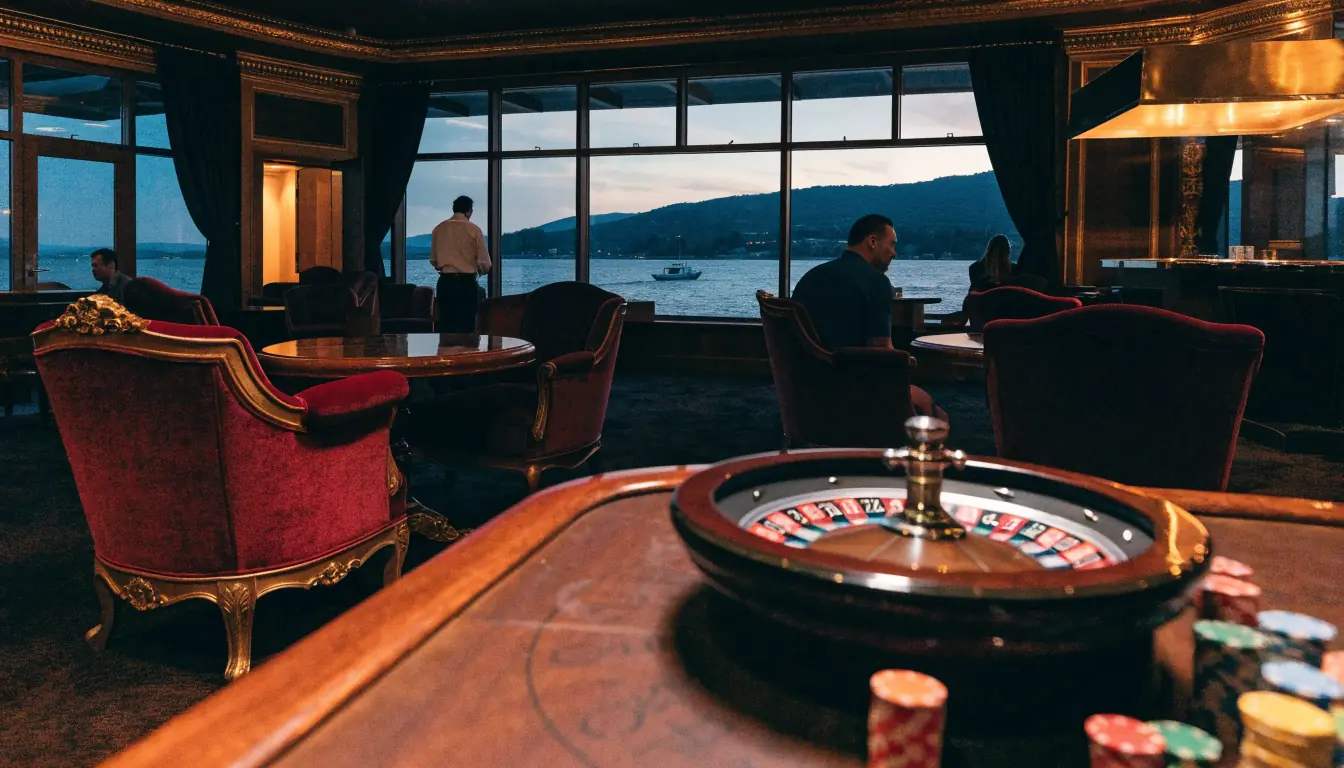
Casino Hotels in Tasmania: What to Check Before Booking
A casino hotel in Tasmania should be assessed as a hotel booking first and a casino-related stay second. Search results and promotional language can make a room, a casino visit and a bundled deal look like one purchase. The booking terms determine what is actually included. Before comparing prices, identify the property, room category, stay dates and conditions attached to the rate.
Compare the full room price
A headline rate is not a complete comparison. Check the amount payable for the selected dates and occupancy, including any taxes, service charges or other compulsory fees shown before payment. Compare like with like: a basic room and a larger room are different products, even if both are described as casino hotel rooms.
Read the rate conditions before treating a lower price as a better deal. A discounted rate may have stricter cancellation or amendment terms than a flexible one. The relevant comparison is the final cost alongside the cost of changing plans—not the promotional figure by itself. If the conditions are unclear, the offer is not yet suitable for a reliable price comparison.
Check exactly what the booking covers
A hotel reservation does not, by itself, establish what is included beyond the room. Review the itemised booking details for any stated inclusions and check whether they apply to every guest and every night. Do not assign value to an advertised extra unless its scope and conditions are clear.
The same distinction applies to casino access or benefits. A hotel and a casino may be presented together in a listing, but that does not prove that a room rate includes entry, credits or any other casino-related benefit. Treat these as separate terms unless the booking explicitly confirms otherwise. If a benefit is important to the decision, confirm it with the property before paying and retain the written response.
 Casinos in Victoria: Hotels, Dining and Stay DetailsLearn how to assess casino hotel offers, dining and practical stay details. Room bookings are separate from casino access, and total payable…
 Hobart Casino Guide: Poker, Rooms and Visitor DetailsLearn how to distinguish poker facilities from scheduled tournaments, and what to verify in listings alongside rooms, parking, dining and venue details.
Match the room to the stay
Room names can be broad, so check the selected category and its stated features rather than relying on photographs or a general property description. Confirm the occupancy permitted by the rate, bed configuration and any accessibility or other room requirements. A room that looks suitable in a listing may not match the selected option at checkout.
Also check the arrival and departure conditions supplied with the reservation. If travel plans depend on a particular arrival time, confirm that the hotel can accommodate it; do not assume that a casino’s operating schedule determines hotel check-in or reception arrangements. Hotel services and casino hours are separate operational details, and one should not be used as a substitute for checking the other.
Treat deals as conditional prices
A Tasmania casino hotel deal is only comparable once its dates, room type, inclusions and cancellation terms are known. Check whether the offer applies to the intended stay and whether any stated benefit is conditional on a particular booking method or rate. A package can appear cheaper while offering less flexibility or a different room category.
Keep a record of the final price and the conditions displayed at checkout. If the confirmation differs from the offer, the confirmation and the property’s written clarification matter more than the headline wording. This is a straightforward calculation: compare what is payable, what is received and what can be recovered if the booking changes.
 Adelaide Casino: Hotels, Dining and Visitor DetailsCompare casino-linked stays with nearby independent hotels, and see which booking details affect the total cost, including dates, room type and cancellation…
 Best Pokies in Adelaide: Hours, Access and ChecksLearn how to verify Adelaide venue hours, distinguish an “open now” listing from pokies availability, and check location, reporting and payment details.
For anyone comparing casino hotels in Tasmania, the useful shortlist is therefore not a set of unverified property claims. It is a set of confirmed room options with transparent totals and terms. A hotel booking near a casino should be judged on those hotel conditions; proximity alone does not establish an included benefit or a particular rate.
Poker Rooms, Tournaments and Gym Searches
A poker room, a scheduled tournament and a gym are separate facilities with separate operating arrangements. Their names may appear alongside a casino in a travel plan, but each needs its own confirmation before it is treated as part of a stay. The practical distinction is between a facility available to guests, an event with a published date and entry conditions, and a service that may be operated elsewhere or not offered at all.
For poker, the useful details are the format, registration process, buy-in, start time, eligibility rules and cancellation terms. A room’s presence does not establish that a tournament is running on a particular date; a tournament listing does not establish that casual poker is available outside event hours. Published schedules can change, so the event date and operator’s current notice matter more than a general description. If the schedule does not state whether registration is open, that status should be confirmed before travel costs are committed.
Poker tournaments also differ from poker-machine gambling. Australian venue searches can blur the terms, but the products and their rules are not interchangeable. NSW requirements for poker machines, including age and pre-commitment provisions, are NSW-specific and should not be presented as rules for Tasmania. For any gambling activity, identification and the venue’s entry conditions are practical checks; the conditions for one state or one product should not be carried across to another by assumption.
Room searches can mean a hotel room, a poker room or another bookable space. The distinction affects what information matters: accommodation has dates, occupancy and cancellation terms; a poker room has access and event details; a function room has a hire purpose and booking conditions. A listing that uses “rooms” without specifying the type is not enough to establish what is being offered. The sports-bar label also describes a different kind of venue space from a poker room, even when both are associated with the same casino.
A gym is a separate operational question, not a feature that follows automatically from a casino or hotel label. Relevant checks include whether access is included or charged separately, the hours of entry, guest eligibility and whether advance booking is required. Those conditions can affect the actual cost of a stay, so “gym access” should be read as a term to verify rather than a complete description of the service. The same applies to any claimed link between accommodation, poker facilities and fitness access: a package title alone does not specify the inclusions.
Opening status is also time-dependent. A venue being open does not establish that its poker room, tournament registration, sports bar or gym is operating at that moment. These may follow different schedules, and event access can be narrower than general venue access. For a same-day visit, the relevant check is the operating status of the specific facility and activity, not a broad open-or-closed label.

A sound comparison therefore separates the cost and conditions of each component: room booking, poker entry or tournament participation, and gym access. Dates, cancellation rules and eligibility belong beside the price, not in fine print after a decision has been made. If gambling is part of the plan, a session budget should be fixed in advance, losses should not be chased, and bets should not be increased to recover them. A tidy itinerary does not improve the odds; it only makes the costs easier to see.
Parking, Bingo, Dining and Online Casino Searches
A visit to a casino in Tasmania involves separate practical questions: where a vehicle can be left, whether bingo is scheduled, and what dining arrangements are available. These details should be treated as venue-specific conditions, not assumed from the word “casino”. Parking may have its own access rules and charges; valet service and complimentary parking are distinct offers, each requiring confirmation before travel. The same applies to bingo: a venue name alone does not establish that sessions are running or that they fit a particular visit.
Dining is another separate decision. Before setting out, confirm the venue’s current food options, service times and any booking conditions through its official information channels. A meal available on one visit cannot be assumed to be available on another. That is less exciting than a promise; it is also more useful when coordinating transport and timing.
Online casino access in Australia
The legal position differs between an in-person venue and an online casino. Under the Interactive Gambling Act 2001, an Australian-run operator cannot provide real-money online casino games to people in Australia. Offshore platforms sit in a different legal position: it is technically not illegal for an Australian player to use one, but such platforms are not regulated under Australian law. That distinction does not make an offshore service an Australian-regulated option or provide the protections associated with local oversight.
Access can also be restricted by location. An online operator or game provider may use a player’s IP address to determine where a connection originates and block access from excluded countries. A blocked game may not appear in the lobby, or it may fail to load. Restrictions can apply at the platform level or to particular games, so availability is not guaranteed merely because a site opens.
A specialist review has described VPN use as a way to make a connection appear to come from another country. That does not remove the underlying restriction: using a VPN to reach region-blocked pokies sites is against the site’s terms and may result in account suspension. A displayed game or an apparent connection does not establish permission to play.
The phrase “online casino in Tasmania” can therefore refer to a search for digital access, but it should not be read as evidence that an online casino is locally licensed or lawful to provide casino games to people in Australia. Offshore platforms remain outside Australian regulation, and practical access may be blocked. The safer distinction is plain: check venue arrangements directly for a physical visit; do not treat online availability as a substitute for an authorised local service.

Accommodation Near a Tasmanian Casino
A stay near a casino is a separate purchase from a room inside one. The practical comparison is between the accommodation’s total cost and location, not an assumed package or a headline deal. Tasmania has more than one possible destination, so “near the casino” is not enough to identify a property: the relevant venue and its address need to be confirmed before comparing travel times or booking terms.
Start with the venue’s official location information, then assess accommodation around that specific destination. Map estimates can help narrow the area, but travel time depends on the route and transport mode. A property described as nearby may still require a drive, taxi or other transport; the label alone does not establish walking distance. Check the route at the time the trip is planned, including how the return journey would work after an evening visit.
Accommodation offers should be compared on their complete conditions. A promotion may be tied to particular dates, room types, minimum stays or cancellation rules; those details determine whether the advertised price applies to the intended trip. Check the final amount at checkout and whether taxes, fees or parking are included. A lower starting rate is not a saving if the required dates are unavailable or the cancellation terms make the booking unsuitable.
Do
- Confirm the venue's official location and address
- Check final amounts and taxes at checkout
- Verify the route and transport mode
Don't
- Rely on the label "nearby" to establish walking distance
- Assume a lower starting rate is always a saving
- Assume a casino promotion reduces nearby stay costs
The venue and accommodation provider should be treated as separate businesses unless the booking terms expressly say otherwise. A casino promotion does not automatically reduce the cost of a nearby stay, and a room offer does not establish that casino entry, meals or other services are included. Any claimed package should identify what is included, who supplies it and what conditions apply. If those elements are not clear before payment, the headline offer is not a reliable basis for budgeting.
Venue details matter to the accommodation decision, but should be checked independently. Confirm the casino’s location and opening information through its own current communications rather than inferring trading hours from a hotel listing or old travel page. Likewise, references to gaming machines or poker machines do not establish what is operating at a particular venue or when. Those are venue questions, not accommodation features.
Parking can affect the total cost and practicality of a stay. Confirm whether the accommodation has parking, whether it is included in the quoted rate and whether any restrictions apply. Do not assume parking near the casino is available, free or connected to a nearby property. Where the venue and lodging are separate, establish the route between them and the parking arrangements at each end.
For a clean comparison, record the accommodation’s final price, location, cancellation conditions, parking terms and any promotion requirements side by side. That keeps the decision grounded in the actual booking rather than the word “deal”. The same checks apply whether the search begins with a casino in Tasmania, accommodation near a particular venue or a package described as a casino stay: the destination, dates and written terms determine the value.

Contact Details, Bars and Events Queries
A Tasmanian casino contact number is useful only if it reaches the venue or department responsible for the request. Search listings can retain old telephone details after a business changes its arrangements. Before travelling, confirm the number through the venue’s own website or another official communication channel, then check that the person answering can address the specific issue: bookings, accessibility, lost property, event entry or general enquiries. A directory listing is a lead, not confirmation.
The same distinction applies to a casino address or map. A map pin may mark a general site entrance rather than the reception, event entrance or car-park access point. Check the venue’s published directions and identify the destination that matches the visit. For a scheduled event, compare the event information with the venue’s directions; an entrance shown for ordinary visits may not be the one used for a particular programme. If details conflict, direct confirmation is more useful than choosing the tidiest-looking result.
Bars, table games and car parking
A bar listing does not establish its current service, access conditions or hours. Those details can vary with venue operations and event arrangements, so they should be confirmed directly before making plans around a particular bar. This is separate from restaurant research: a bar’s name or presence on a map does not establish a food menu or dining service.
The same standard applies to baccarat and craps. A search result or general casino description does not confirm that either table game is offered at a Tasmanian venue, or that it will be available on a particular visit. Availability, operating times and entry conditions are separate details. Any decision based on a specific game should rest on current venue information, not an assumption carried over from another casino.
Car-park information needs equally practical checking. Confirm whether parking is available to the intended visitors, which access point serves the venue, and whether any conditions apply. A map may show a nearby parking area without establishing that it belongs to the casino or is available for the visit. Where a concert or other event is involved, check the venue’s event guidance as well; normal access arrangements may not answer event-specific questions.
Concerts and contact checks
Concert information should be checked against an official event listing. Confirm the venue, date, entry arrangements and any conditions attached to that particular event before relying on a third-party calendar or old listing. A venue’s association with live entertainment does not prove that a concert is currently scheduled. Nor does an event listing alone establish bar access, parking arrangements or the route to the relevant entrance.
A simple verification record can prevent small uncertainties from becoming travel costs: save the official contact page, the confirmed address or entrance, and the event details relevant to the visit. If the information cannot be matched across official channels, ask the venue to confirm it before setting out. A map pin is not a booking, and a listing is not an operating guarantee.
Buffet Breakfast, Resort and Jobs Searches
Breakfast and buffet wording can make a property sound more inclusive than its booking terms actually are. A buffet may be a separate restaurant service, an optional extra or part of a package; the label alone does not establish which applies. The useful comparison is the written rate description: whether breakfast is included, which guests it covers, where it is served and whether the offer applies to the selected dates. If those terms are not stated clearly at the point of booking, the meal should be treated as an additional cost rather than assumed to be included.

The same distinction matters for searches about a Tasmanian casino buffet or buffet breakfast. A reference to breakfast does not confirm that a buffet is operating, and a dining listing does not establish service times or availability. Before relying on a meal as part of a stay, confirm the current arrangement directly with the venue and retain the booking details that describe what has been purchased. A headline offer is packaging; the inclusions determine the value.
“Resort” is also a description, not a complete account of what is offered. It may be used in a property name or marketing language, but it does not by itself confirm which services, facilities or guest benefits are available. Compare the actual accommodation terms and listed inclusions, rather than treating the word as a guarantee of a particular experience. This keeps the decision tied to deliverables instead of assumptions.
A rewards programme requires the same accounting. The relevant terms are how points or benefits are earned, what they can be used for, whether restrictions apply and whether participation changes the price or conditions of a booking. A claimed benefit has financial value only if it can be used for the intended purchase under the stated rules. If the terms do not explain how a reward is earned or redeemed, it should not be counted as a saving in the comparison.
Employment searches call for a different check. A listing for casino work in Tasmania should identify the employer, role, location, duties and application process. Those details distinguish a genuine vacancy from a general careers page or an old advertisement. The job title alone does not establish pay, hours, employment status or required qualifications; those belong in the listing or the formal offer. Current availability should be confirmed through the employer’s own recruitment channel before personal information is supplied.
For any role, the useful comparison is the written offer against the duties and conditions attached to it: pay basis, roster expectations, training requirements and any applicable checks. A polished advertisement can describe an opportunity, but only the terms set out the employment arrangement. Where a listing is unclear or no longer appears on the employer’s channel, its status should be confirmed rather than inferred.
The practical test across breakfast, resort branding, rewards and jobs is consistent: separate the label from the deliverable, then compare the written conditions. That prevents a buffet reference from becoming an assumed meal, a rewards claim from becoming an assumed discount, or a vacancy headline from being mistaken for a confirmed offer.
Opening Hours, Development and Entertainment Searches
A search for a Tasmanian casino’s opening status needs a current, dated answer. “Open” can refer to a venue operating normally, a particular area being accessible, or a temporary reopening after a closure. Those are different claims. A listing without a date may describe an earlier arrangement, so operational notices and the venue’s own current information are more useful than an undated directory entry. If status cannot be confirmed, it should not be treated as settled.
Opening hours also need to be read by service, not as a single property-wide promise. An advertised schedule may apply to one part of a venue and not establish when another operates. Special events, maintenance or other temporary changes can affect ordinary arrangements. The practical check is whether the stated hours apply to the specific facility and date in question, and whether a later notice changes them.

Development information needs similar separation. A proposal, planning application, approval and completed project mark different stages; none should be described as an operating facility unless it is actually open. News about investment or construction does not, by itself, establish a completion date or the services that will be available afterwards. For a useful assessment, the status of the project and the date of the latest update matter more than promotional descriptions.
Entertainment listings should be treated as dated programme information. A performance announcement is not evidence that an event remains scheduled, that tickets are still available or that the venue’s wider operations have changed. Before relying on an event listing, check its date, location, booking status and any cancellation or rescheduling notice. A general events page can show a programme; it cannot establish that every listed activity runs regularly.
Employment information is also time-sensitive. A role mentioned in an older announcement may no longer be open, while a general careers page does not confirm a particular vacancy. Details worth checking include the position, work location, application status and the employer named in the listing. Development announcements and recruitment notices should not be read as proof that a project has opened or that a role is available now.
Reviews are useful only when their scope and timing are clear. A review may concern a past visit, a specific event or one service rather than the venue as a whole. Separate personal impressions from verifiable operational details, such as whether an advertised programme took place. The same caution applies to menu references: they do not establish current service arrangements, and food options are better assessed through current, dedicated venue information.
For a “best casino in Tasmania” comparison, opening status, development, employment and entertainment are separate checks, not a single score. A dated claim can be assessed; an undated one cannot carry much weight.
Casino Restaurants in Tasmania
Top Operators
Choosing a casino for Tasmania in 2026 means checking the practical details that shape your experience, including payment options and licensing information. Use this list as a starting point and confirm the terms that matter to you before signing up.
-
Ricky Casino
- Payout speed
- crypto under 1 hour, PayID 1-3 business days
- Min. deposit
- A$20 (A$30 to qualify for the bonus)
Ricky Casino lists crypto payouts in under an hour and PayID payouts in 1–3 business days. The minimum deposit is A$20, rising to A$30 to qualify for the bonus.
-
GoldenCrown
- License
- Curacao Gaming Control Board OGL/2023/176/0095 (Hollycorn N.V.)
GoldenCrown is listed under Curacao Gaming Control Board licence OGL/2023/176/0095, held by Hollycorn N.V.
-
LevelUp Casino
- License
- Curacao eGaming OGL/2023/174/0082 (Dama N.V.)
- Min. deposit
- A$15
LevelUp Casino lists a minimum deposit of A$15 and operates under Curacao eGaming licence OGL/2023/174/0082, held by Dama N.V.
-
Lucky Dreams
- License
- Curacao
- Min. deposit
- A$20 (POLi)
Lucky Dreams is listed as Curacao-licensed. Its minimum deposit is A$20 when using POLi.
-
House of Pokies
- License
- international iGaming licence – jurisdiction not named in the source
- Payout speed
- PayID 1-24 hours
- Min. deposit
- A$30 (PayID from A$10)
House of Pokies lists PayID payouts of 1–24 hours and an A$30 minimum deposit, or A$10 when depositing with PayID. Its source describes the licence as international iGaming but does not name the jurisdiction.
-
MrPacho
- Payout speed
- crypto 30-120 minutes, fiat 24-72 hours
- Min. deposit
- A$30
MrPacho lists crypto payouts in 30–120 minutes and fiat payouts in 24–72 hours. The minimum deposit is A$30.
-
Uptown Pokies
- License
- Curacao (operating since 2017)
- Min. deposit
- A$20
Uptown Pokies is listed as Curacao-licensed and operating since 2017. Its minimum deposit is A$20.
-
Rollero Casino
- License
- Curacao Gaming Control Board OGL/2023/176/0095 (Hollycorn N.V.)
Rollero Casino is listed under Curacao Gaming Control Board licence OGL/2023/176/0095, held by Hollycorn N.V.
-
Kingmaker
- Payout speed
- crypto ~90 minutes, fiat 1-5 days
- Min. deposit
- A$30
Kingmaker lists crypto payouts of about 90 minutes and fiat payouts of 1–5 days. The minimum deposit is A$30.
-
DragonSlots Casino
- License
- Curacao Gaming Authority (Jumpman Gaming Ltd)
DragonSlots Casino is listed as licensed by the Curacao Gaming Authority, with Jumpman Gaming Ltd named as the operator.
A restaurant listing attached to a casino search is not, by itself, evidence that a particular venue is operating in Tasmania. Names can appear in directory pages, old travel coverage or booking platforms after details have changed. Before treating a listing as a dining option, establish that it belongs to the intended property and that the information is current.
The most useful starting point is the venue’s own restaurant page, if one is available. Check whether it identifies the restaurant by name, gives a current menu and states when it serves diners. A page that only describes a past event or offers a general description does not settle whether the restaurant is open for an ordinary meal. If the information is unclear, contact the venue through a published channel and ask about the specific date and service.
What to confirm before booking
A restaurant reservation has practical terms beyond the menu. Confirm whether booking is required, whether the table can be held for the intended time and whether cancellation or late-arrival conditions apply. Check whether the published menu is current and whether prices are shown for the dishes being considered. If dietary requirements matter, ask the restaurant directly rather than assuming a menu label covers every ingredient or preparation method.
The final cost can differ from the headline price when drinks, additional courses or other charges are added. A menu gives a basis for estimating the meal; it does not establish what a full visit will cost unless the chosen items and applicable charges are clear. Promotional wording should be read as a set of conditions, not as a final bill.

Searches for restaurants near a Tasmanian casino need a separate location check. A result may be in the same town or region without being inside the casino, and a map pin does not establish walking distance, access or opening status. Confirm the street address and route using current venue information, particularly when the restaurant is part of a wider property listing.
Comparing restaurant information
When several listings appear to describe the same restaurant, compare their update dates and details rather than counting repeated pages as confirmation. Current menus, reservation terms and direct venue contact are stronger evidence than copied descriptions. If a booking platform and the venue’s own information disagree, clarify the discrepancy before paying or making travel plans.
A useful comparison records the restaurant’s confirmed location, service times, menu date, reservation conditions and the likely cost of the selected meal. If any of those details cannot be established, mark them as unconfirmed rather than filling the gap with assumptions. This is particularly important for a Tasmania casino restaurant search, where broad labels may combine information about casinos, hotels and independent dining venues.
The distinction is simple: a restaurant associated with a casino search is not necessarily inside a casino, and a listing is not proof of current operation. The decision rests on identifiable venue details and terms that can be checked before booking.
Spa, Address and Dress-Code Searches
A search for a casino address is only useful once the venue has been identified. Tasmania-related results can refer to different businesses or locations, so a map pin alone is not enough to establish that it is the intended casino. Match the venue name across its official website, map listing and contact information before planning a visit. If those details differ, confirm the address directly with the venue rather than relying on an old directory entry.

Spa searches need the same distinction between a facility on site and a spa elsewhere in the surrounding area. A page mentioning a day spa does not, by itself, establish that it belongs to a casino or that appointments are available to visitors. Check the business address, booking arrangements and current service information with the spa itself. Treat package descriptions as separate terms: the named services, any booking conditions and the final price should be clear before a reservation is made.
The same verification applies to casino bars. A listing may confirm a bar’s name or location without confirming its current hours, access rules or service arrangements. Use the venue’s own current information for those details, particularly when a visit depends on a specific bar being open. A bar listing should not be read as confirmation of a wider dining offer.
Dress-code information is venue-specific. A policy may differ between gaming areas, bars and other spaces, and a general description on a third-party page may not cover every area. Check the relevant venue guidance before travelling; if no policy is stated, contact the venue rather than treating another casino’s rules as transferable. Clothing requirements are operational conditions, not a reliable guide to the formality of the whole property.
“Casino games” can also mean different things. For games offered at a physical venue, the venue’s own material is the appropriate place to check what is available and where it can be accessed. That should not be confused with online casino games: under the Interactive Gambling Act 2001, operators cannot provide real-money online casino games to people physically located in Australia. An online listing is not evidence that such a service is lawful for Australian customers.
Career information is another separate check. A general careers page may cover a company rather than a particular Tasmanian venue; vacancies and application details need to be tied to the employer and location named in the listing. Confirm that the position is still advertised through the employer’s own channels before relying on a third-party vacancy notice.

Food and Pool Facilities
Food and a pool are separate facility checks, not automatic features of a casino visit. A venue name or a photograph of a wider property does not establish that either is available to casino guests, so each needs confirmation against current venue information before plans depend on it.
For food in Tasmania, the useful distinction is whether a venue has a general food option on site and whether it has a food-court arrangement. Those are not interchangeable descriptions: a food court implies a particular style of service, while a broad food search may refer to any place to eat. A listing should make clear what is actually offered, where it is located and whether access is tied to casino entry or another part of the property. Without those details, “food available” is too imprecise to support a travel plan.
Pool searches need the same separation between a casino and a resort-style property. A pool may be within a larger complex rather than part of the casino itself, and access conditions can differ by facility. Relevant details include whether the pool is currently operating, who may use it, any booking or entry conditions, and whether opening arrangements vary by day or season. Those terms matter more than a promotional image.
The practical comparison is therefore not simply food versus no food, or pool versus no pool. It is whether the facility exists at the intended venue, whether it is accessible to the relevant visitor, and whether its current operating terms fit the trip. A casino label alone settles none of those points. Where official venue information does not specify the arrangement, the facility should not be treated as confirmed when choosing accommodation, transport or a schedule. A separate food option and a pool can change the shape of a stay, but only when both the location and access terms are clear.
Are online casino-style games restricted in Australia?
Yes. The Interactive Gambling Act restricts Australian-based operators from offering online casino games such as pokies, blackjack and roulette to players in Australia. Offshore platforms may be accessible, but they are not regulated under Australian law.
What is pokies region blocking?
It is a restriction that stops players in certain countries from accessing particular games or providers. Casinos can use a player’s IP address to identify their location and block access.
Which pokies are geo-blocked from Australia?
Examples include NetEnt’s Mega Fortune and Hall of Gods, and NYX Gaming/Next Gen titles such as Foxin’ Wins and Doctor Love. A blocked game may not appear in the lobby or may fail to load from an Australian IP address.
How does region blocking work?
The casino or provider checks a player’s IP address to estimate their location and can block IP addresses associated with excluded countries. As a result, a game may be hidden from the lobby or prevented from loading.
How do NSW pokies regulators monitor player protection?
NSW has mandatory pre-commitment systems that require players to set a loss limit before playing poker machines. The legal age for gambling on NSW poker machines is 18.
Are pokie machine outcomes random?
Yes. Online pokies use a Random Number Generator, and each spin is independent, so previous spins do not affect future outcomes.